
Tooling and Wear Management: The Consumable Side of Drilling
March 20, 2026 · 6 min read · By Thomas Charles
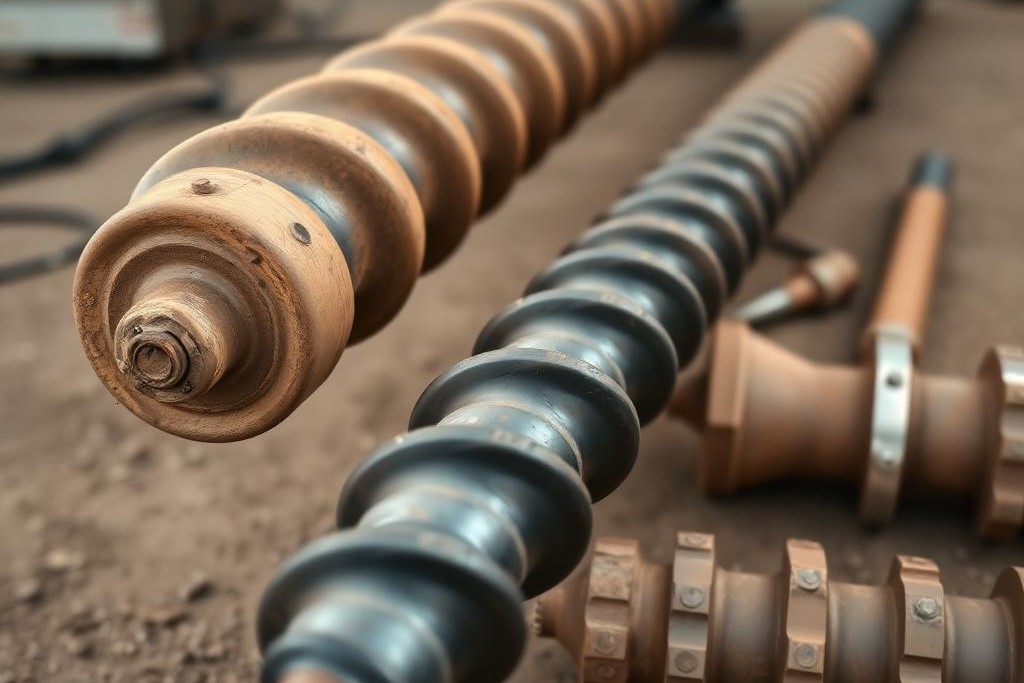
The big iron gets the photo ops. A brand new CZM LR160 rig, gleaming under a Texas sun, is an impressive sight. But the story of whether that rig makes money on a job isn’t written on the side of the cab. It’s written on the cutting edges of the tools spinning thousands of feet below. Talk to any superintendent or veteran operator, and they’ll tell you the same thing. The rig is just the engine. The tooling is where the business end of drilling happens, and managing the relentless wear and tear on those consumables is one of the most critical, least glamorous disciplines in this entire industry. It’s a game of inches and hours, and it shows up directly on the profit and loss statement.
The Ground Dictates the Tool
The first rule of tooling is that the geology report is not just a suggestion. It’s the playbook for the entire job. Sending a dirt auger into a formation laced with hard limestone seams is a recipe for disaster. You’ll not only destroy the tool, but you’ll also shock-load the rig’s powertrain and risk a catastrophic failure that can sideline a machine for weeks. The cost of that mistake isn’t just a new set of teeth; it’s a busted kelly bar, a crew sitting idle, and a project schedule thrown into chaos. An operating company that hopes to stay in business needs to have the right tools ready before the rig ever rolls onto the site.
Our operating companies are tackling projects from the drilled shafts for new transmission lines across the Southwest to the deep foundations for massive data centers in Virginia. The ground truth on these sites can vary yard by yard. One hole might be soft clay, the next might hit a nest of granite boulders or a karstic void. This is why our equipment leasing packages include a comprehensive tooling inventory. It’s not just about having a standard rock auger and a dirt auger. It’s about having tapered rock augers for fractured formations, core barrels for solid rock sockets, clean-out buckets, and even down-the-hole hammers for the most refusal-prone conditions.
The decision framework is straightforward. The crew leader, operator, and project manager review the geotechnical borings and align on a primary, secondary, and tertiary tooling plan. If the plan is to drill with a 48-inch rock auger but the production rate drops below a certain threshold or the operator feels excessive chatter, the call is made to switch to a core barrel. This isn’t guesswork. It’s a systematic approach to protect the equipment, manage the schedule, and ensure the hole gets drilled to spec as efficiently as possible. A crew that has to stop and wait for a different tool to be trucked in from the yard is a crew that’s losing money.
The Unseen Economics of Wear Parts
The real granularity of tooling cost isn’t in the auger or barrel itself, which represents a significant capital investment. The true operating cost is in the consumables—the teeth, bits, and pilot points that do the actual cutting. On a hard rock job, a set of conical carbide teeth might last a single shift or even just a few hours before needing to be replaced. Delaying that change-out is false economy. A worn tooth stops cutting efficiently, forcing the operator to apply more crowd force and torque. This increases fuel burn and stresses the rig, but more importantly, it accelerates wear on the adjacent teeth and the steel holders they’re socketed into.
Think of it as a cascade failure. Once a tooth loses its carbide tip, the softer steel body wears away quickly. If it’s not replaced, the steel holder on the auger flighting begins to take the abrasive force of the rock. Now, instead of a five-minute job swapping a tooth, you have a multi-hour repair welding a new holder onto the tool body. Let that go on for too long, and you can compromise the structural integrity of the auger flighting itself. What started as a consumable wear item has now damaged a capital asset.
This is why disciplined inspection is non-negotiable. At the beginning and end of every shift, a crew member is tasked with checking every single tooth on the primary tool. They aren’t just looking for broken or missing teeth. They are looking at the wear pattern. Is it even? Is the carbide still proud? Are the retaining clips secure? This simple habit, which takes maybe fifteen minutes, is one of the highest-return activities on any drilling site. It’s the difference between a hundred-dollar tooth replacement and a ten-thousand-dollar tool repair.
Field Maintenance and Rebuilds
Not all wear means the end of a tools life. Hardfacing is a critical process for extending the service life of our most valuable tooling. On the flighting of a rock auger or the sides of a core barrel, we’re constantly applying layers of tungsten carbide weld. This creates a sacrificial surface that bears the brunt of the abrasion as the tool rotates in the hole. It’s a process that can be done in our operating companies' yards or even in the field between shifts. A skilled welder with the right equipment can add hundreds of operating hours to a tool’s life for a fraction of the cost of a new one.
The same principle applies to the tool bodies themselves. When a holder is damaged beyond simple repair or the flighting is worn thin, the tool doesn’t necessarily go to the scrap yard. It can be sent to a specialty machine shop for a full rebuild. They can cut off the worn sections, weld in new high-strength steel, re-machine the tooth pockets to factory specifications, and balance the entire assembly. For a large-diameter tool, a rebuild might cost 30-40% of a new replacement but deliver 90% of the life.
DrillingCrust helps our operating partners manage this lifecycle. We track the hours on every major tool. We have established relationships with rebuild shops and hardfacing consumable suppliers. This isn’t just a maintenance program; it’s asset management. By tracking the cost-per-foot of a new tool versus a rebuilt tool in specific geological conditions, we can make data-driven decisions about when to repair, when to rebuild, and when to replace. That data provides a significant competitive edge.
The Operator as the First Line of Defense
All the planning and maintenance in the world can be undone by an operator who doesn’t understand how to manage their tooling from the cab. A rig like the CZM LR160 provides a constant stream of feedback. Through the levers, the operator can feel the subtle changes in vibration, torque pressure, and penetration rate. An experienced hand knows the difference between the steady groan of a tool cutting effectively and the high-frequency chatter of a tool that’s bouncing and skipping.
In variable ground, this skill is paramount. When drilling through a softer layer into a hard rock seam, a novice operator might keep the rotational speed high and the crowd force low. This can cause the teeth to skip across the rock surface, creating friction and heat that anneals the carbide tips, rendering them useless. An expert operator, however, feels that transition instantly. They’ll slow the rotation, increase the crowd pressure to get the teeth to bite, and listen for the sound of the rock fracturing instead of abrading.
This is a core part of the training and culture within the companies we support. We invest in operators who see the tool at the end of the kelly bar as an extension of their own hands. They take pride in their ability to read the ground and get the most life out of their wear parts. It’s a mindset that flows through the entire crew. When the operator cares about the tooling, everyone cares about the tooling.
Supply Chain Is Strategy
A stationary rig is a monument to lost revenue. The most common cause of unscheduled downtime, after mechanical failure, is waiting on a part or a tool. In today’s environment—supporting the power grid rebuild, data center growth, and new semiconductor fabs—project schedules are unforgiving. Liquidated damages for falling behind can be severe. That’s why we view tooling logistics not as a procurement function, but as a core strategic pillar of our business.
Our model of leasing equipment to our operating companies includes managing a significant portion of their supply chain. For a project requiring a dozen different types of foundations, we ensure the right augers, barrels, teeth, and pilots are staged on-site or at a nearby yard from day one. We maintain standing orders with key tooling vendors for common wear items, ensuring a predictable supply. When a tool needs a major repair, our logistics network handles the transportation to and from the machine shop, minimizing the time it’s out of service.
This system insulates our operating companies from the supply chain shocks that can hamstring their competitors. While another outfit is scrambling to find a 54-inch core barrel or waiting on a cross-country shipment of specific rock teeth, our crews are drilling. This reliability is a key reason why they win contracts. The owners of these critical infrastructure projects value a partner who can eliminate logistical uncertainty. At DrillingCrust, we provide the capital and equipment to make that happen, and a huge part of that is ensuring the right tool is always within reach.
Tying It All Together
Ultimately, tooling management is a direct reflection of an operating company’s discipline and foresight. It’s a system of interconnected parts. It starts with a rigorous analysis of the ground conditions and a strategic plan to address them. It lives in the daily habits of inspection and preventative maintenance performed by the crew. It relies on the skill of the operator to translate mechanical feedback into tactical adjustments. And it’s all supported by a robust supply chain that treats tooling not as a simple consumable, but as a critical asset essential to uptime and profitability.
Rigs move dirt and rock. But a disciplined approach to tooling management moves the needle on the balance sheet. For the operating companies DrillingCrust supports, this isn’t an abstract concept. It’s how they manage costs, meet schedules, and build a reputation for reliability in a demanding industry. That’s the consumable side of drilling—and it’s a side of the business we focus on every single day.
Ask any drilling operator where their real operating costs hide, and the answer usually comes back the same: tooling. Augers, drag bits, core barrels, and rock tools are consumables, and the rate at which they wear determines a surprising share of project profitability.
Matching tooling to geology
The right tooling for a soft clay job is the wrong tooling for a hard rock job. Crews that carry a well-stocked kit and switch tools thoughtfully protect both production rates and the underlying tooling investment.
The economics of teeth
Replaceable teeth and cutters extend the life of the parent tool dramatically. A disciplined rotation — inspecting teeth every shift, replacing them before they damage the tool body — is one of the highest-return maintenance habits in the business.
Vendor relationships
Tooling suppliers become long-term partners. Standing orders, regional inventory, and quick turnaround on repairs are the difference between a rig that keeps running and a rig that sits waiting for a delivery.
Working in commercial drilling?
Reach out to a DrillingCrust representative to talk projects, partnerships, or the fleet.

A holding company operating across the U.S. commercial drilling industry. We invest capital, provide funding, and lease equipment to established operators building the foundations of modern American infrastructure.
Contact
© 2026 DrillingCrust Holdings LLC. All rights reserved.